
What can't AI do — and why it's an opportunity
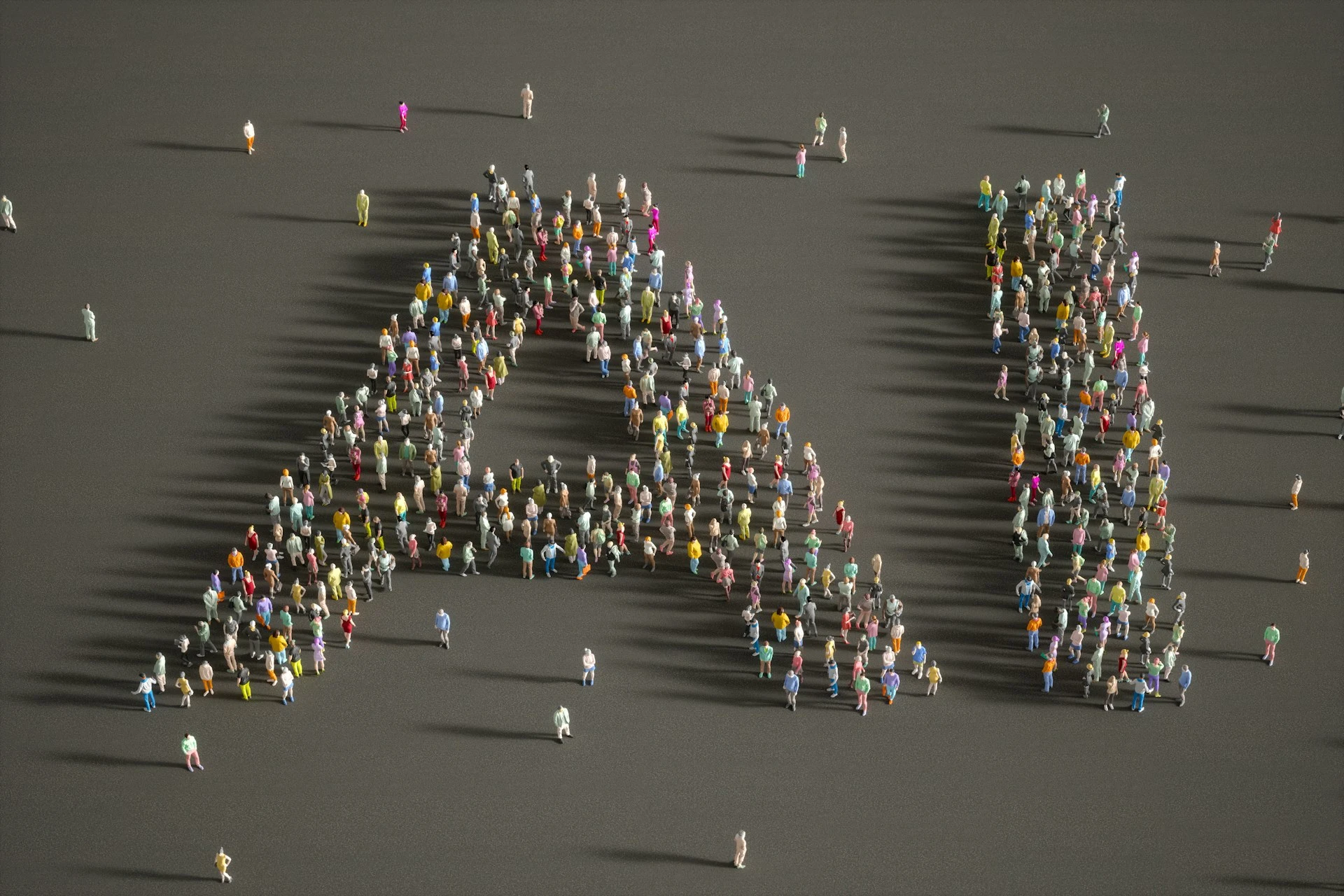
Artificial intelligence can write texts, generate images, analyze data, and recognize patterns that people would never see. The opportunities are impressive — and they're growing every day. But anyone who wants to exploit the full potential of AI will ask a crucial question at some point: Where do the strengths of the technology lie — and where do the strengths of humans begin?
The answer is a compass for the future of work. After all, anyone who understands where artificial intelligence has its limits will also recognize which human abilities will not be superfluous in the age of AI — but more valuable than ever before. And above all: how humans and AI can achieve more together than each of them alone.
Where AI supports — and where people take over
AI systems today specialize in specific tasks and deliver impressive results within these domains. The progress made in recent years has been enormous — from ChatGPT to specialized AI applications in medicine or industry. These systems perform repetitive tasks, process huge amounts of data in seconds and recognize patterns that remain hidden from the human eye.
What remains is space for genuine human strengths: react flexibly to completely new situations, understand relationships that go beyond data, and make decisions based on values and experience. The exciting question isn't “man or machine?” — but: How can both strengths be optimally combined?
Contextual understanding: Where people complement AI
Artificial intelligence processes data at an impressive speed. It recognizes patterns, calculates probabilities and generates results that are statistically based. People add something decisive: real contextual understanding. They can read nuances, grasp cultural nuances and react to the situation.
In practice, this creates a strong team. AI analyses customer data and recognizes patterns in buying behavior. People use these insights and enrich them with empathy and tact — whether in customer discussions, in employee management or in crisis communication. The result: better decisions that are both data-based and human-based.
Ethical Competence: The Human Dimension
Artificial intelligence optimizes based on data and algorithms. People bring in the ethical dimension: They can weigh up, prioritize values and look at decisions in a larger social context.
The EU AI regulation It is precisely for this reason that human supervision must be ensured in high-risk AI systems. This is not a limitation of technology, but a meaningful division of labor: AI provides the data basis, people make responsible decisions.
Creativity: creating something new together
Artificial intelligence can generate images, compose music and write texts — and serve as a creative sparring partner. It provides inspiration, generates variants and accelerates creative processes. People bring in something more: genuine originality, unexpected connections, and the ability to develop radically new approaches.
The combination is powerful: AI as an idea generator and accelerator, people as creative curators and visionaries. Designers use AI to generate hundreds of designs — and then select the best solution with a trained eye. Authors are inspired by AI suggestions — and use them to create something that only they can create.
Adaptability: Respond quickly to new things
Artificial intelligence learns from data. People can adapt even when data is not yet available — they recognize signals, interpret changes and act intuitively.
This flexibility makes the human-AI partnership particularly valuable in dynamic environments. Markets are changing, customer requirements are changing, new opportunities are emerging. AI provides the analysis of the known, people navigate through the unknown. Together, we create an agility that no one could achieve alone.
Which human abilities are now even more valuable
A recent Study by the University of Hohenheim shows: Basic methodological skills such as critical thinking and problem-solving skills are gaining in importance due to the increasing use of artificial intelligence. At the same time, social skills remain stable — and ethical competence is becoming more important.
Analytical thinking remains the most important core competency — seven out of ten companies rate it as essential. Resilience, flexibility and leadership skills follow directly behind this. Human skills such as creative thinking and adaptability remain essential — as a perfect complement to growing AI competencies.
The Workday “Elevating Human Potential” Study confirms this trend: 81 percent of respondents are aware that artificial intelligence has an impact on the competence profile of their job. The good news: Jobs aren't disappearing — they're evolving. And human qualities become a decisive success factor.
Critical thinking: correctly classifying AI results
AI provides answers — often faster and more comprehensively than humans could. The decisive competence lies in correctly classifying these answers: Do they fit the specific situation? Were the right questions asked? What factors might AI not have considered?
Critical thinking is becoming a key skill for everyone who works with AI. Leaders who can categorize AI recommendations make better decisions. Teams that question and refine AI outputs get better results.
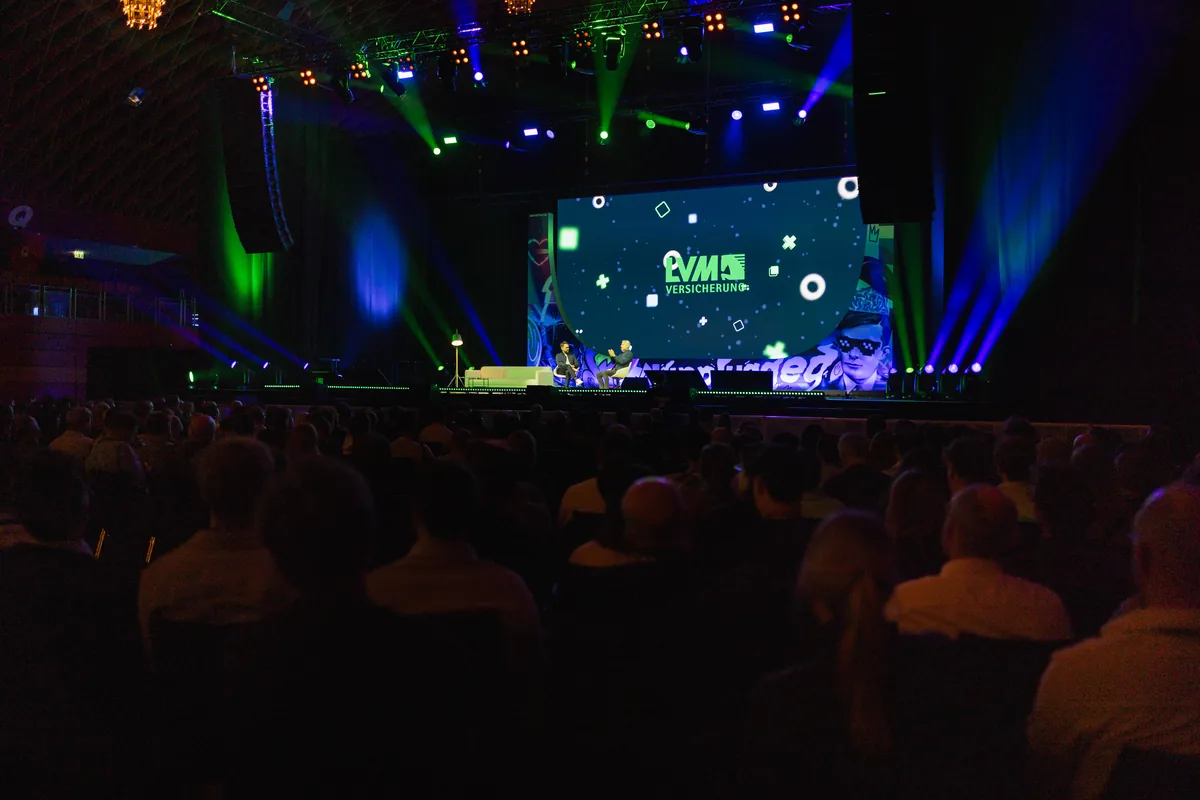
On the Mittelstands Stage at the data:unplugged festival 2027, you can find out how other decision makers in SMEs are designing AI-based decision-making processes on April 13 & 14 in Münster. You can find an overview of all speakers here.
Empathy and Emotional Intelligence: The Human Factor
The more routine tasks AI performs, the more time is left for what really counts: interpersonal relationships. The ability to empathize with others, moderate conflicts and build trust becomes a real differentiator.
This is also of economic relevance. Companies that invest in empathetic leadership retain talent better, reduce turnover and create innovation-friendly cultures. AI relieves administrative tasks — and creates space for more genuine human interaction.
Strategic thinking: looking at the big picture
Artificial intelligence recognizes patterns in data. People understand the big picture: how various factors interact, what long-term consequences a decision could have, how markets and society will develop.
Strategic competence means thinking outside the box, playing through various scenarios and making decisions that are sustainable in the long term. AI provides the data basis for these decisions — people translate them into vision and strategy.
Responsibility and attitude: Decisions with a backbone
In a world in which algorithms are increasingly preparing decisions, people are needed to take responsibility. Not only legally, but also morally. People who stand up for their decisions and learn from experience.
This willingness to take responsibility makes the difference between blind use of AI and conscious use of technology. If you want to learn more about the responsible use of AI, read our blog article on AI ethics in companies more detailed information.
What this means for SMEs
SMEs are in an excellent position for the human-AI partnership. Flat hierarchies, short decision-making processes and a strong corporate culture are ideal conditions for combining the best of both worlds.
Find the sweet spot
The trick lies in finding the right mix: Artificial intelligence performs repetitive tasks, analyses large amounts of data and prepares decisions. People contribute experiential knowledge, make the final decisions and provide the human touch in customer contact.
Companies that find this sweet spot don't see AI as a threat, but as an enhancer of human capabilities. Employees are relieved of routine tasks and can concentrate on what really creates value.
Investing in people
When human skills become more valuable, they are worth investing in. This means: training in critical thinking, promoting leadership skills, space for creative problem solving — and, of course, AI expertise to be able to use the technology effectively.
Loud Bosch Tech Compass 2025 So far, only 18 percent of employees in Germany have received AI training. There is enormous potential here for companies that want to make their teams fit for the future.
The masterclasses at the data:unplugged festival offer practical formats in which AI tools and human competencies are brought together — for teams that want to exploit the full potential of human-AI collaboration.
Corporate culture as a success factor
In a world where AI tools are available to everyone, corporate culture is becoming a differentiator. Companies that cultivate a culture of learning, openness and collaboration will be able to make better use of the opportunities offered by artificial intelligence.
This is also reflected in personnel recruitment. Talents are looking for employers who combine technology and humanity — not those who pit one against the other. Anyone who wants to develop a solid AI strategy, should therefore always include the human dimension.
Stronger together: The potential of the human-AI partnership
The future does not belong to AI alone — and not to humans alone. It is part of the intelligent combination of both strengths. If you understand what AI is particularly good at and where people make the decisive difference, you can develop ways of working that were not possible before.
This is a real opportunity for SMEs. Instead of entering into a technology race led by large corporations with more resources, medium-sized companies can play to their specific strengths: proximity to customers, deep industry knowledge, experienced employees and a culture based on trust. In combination with AI, this creates real competitive advantages.
Conclusion: People and AI — a partnership with a future
The most exciting development in the age of AI isn't the technology itself — it's what happens when people and AI work together. Critical thinking, empathy, strategic vision and a sense of responsibility are becoming key competencies. Not as an antithesis to AI, but as a perfect addition.
Companies that actively shape this partnership will be the winners of the next few years. They're using AI to be more efficient — while investing in the human skills that make the difference.
You can find out how this partnership works in practice on the data:unplugged festival 2027 on April 13 & 14 in Münster. On the SME stage and in interactive master classes, companies share their experiences: How do they use AI? How do they further develop their teams? How do they create a culture in which people and technology grow together?
The future of data and AI affects all areas of business. For successful implementation, it is important to involve and qualify key people. data:unplugged stands for practical transfer of knowledge — from which the entire team benefits. Get your ticket now!
More blogs



for the d:u27!